
The Four Layers Every Pollinator Garden Needs! - Plant for Pollinators!
Want to plant the perfect pollinator garden? Celebrate Pollinator Month by planting in layers! Learn the four most important layers you need to plant for a buzzing, thriving, colorful garden from our expert, Joe.
Key Points:
June is Pollinator Month--the perfect time to give back to nature in the garden
The best way to plant for pollinators is by mimicking nature and planting in layers!
The four main layers of a pollinator garden are The Canopy (flowering trees), The Understory (shrubs), The Groundcover (perennials) & The Instant Nectar Sources (flowering annuals)
If you're planting for pollinators, you should always plant native species!
Fantastic canopy plants include Flowering Dogwood, Redbud, Buckeyes, Black Cherry and Fringe Tree
A well-planted understory includes shrubs like Itea, Clethra, Ninebark, Calycanthus and Viburnum
Your perennial layer should include native perennials like Echinacea, Agastache, Rudbeckia, Coreopsis, Monarda, Liatris, Culver's Root...the list goes on!
Instant nectar sources (annual plants) like Cuphea, Lantana & Salvia attract hummingbirds and butterflies to the garden
Bountiful Gardens can design and install a perfect pollinator garden for you!

Welcome back to Bountiful Gardens! Joe here, and now that we’re cruising into June, it’s time to celebrate Pollinator Month by planting for all those crucial critters that keep our world buzzing!

But what’s the secret to the perfect pollinator garden? One word: layers!

A few scattered perennials may offer a quick snack, but a well-layered native garden provides pollinators with both the food AND the habitat they need to thrive for generations to come.

The Canopy (Trees)
For our first layer, we’re starting at the top, or in this case, the canopy.

Native trees like Flowering Dogwood, Redbud, Buckeyes, and Black Cherry offer pollinators essential early-Spring sustenance and a shady retreat from the Summer heat.

For us, they serve as visual anchors in the landscape, guiding the rest of your plantings.
The Understory (Shrubs)

Moving down a bit, now we’re in our second layer, the understory. This is where you’ll find shrubs like Itea, Clethra, Ninebark and Viburnum, which start blooming in late Spring and Summer after the canopy leaves unfurl.

Our native shrubs are absolutely relied upon by bees and butterflies each year, and they even serve as host plants for a vast array of native caterpillar species.
The Groundcover (Perennials)

The third layer is where the real magic happens–we’re talking perennials!

New Jersey is home to an endless array of native perennials both you AND pollinators can count on year after year from Spring through Fall.

By planting with bloom times in mind, you can orchestrate your own seasonal symphony and watch the bees, butterflies and hummingbirds dance across your Summer swaths of Echinacea, Black Eyed Susan and Beebalm.
Instant Nectar Sources (Annual Plants)

Finally, we’re down to our fourth layer, annual plants!

While you’re waiting for your favorite perennials to bloom, you can add instant nectar sources to any gaps in the garden with hummingbird magnets like Salvia, Cuphea and Lantana.

Annuals provide the perfect finishing touch to the landscape, and keep pollinators coming back through the first frost. And you’re not going to find a better selection anywhere but here at Bountiful Gardens.
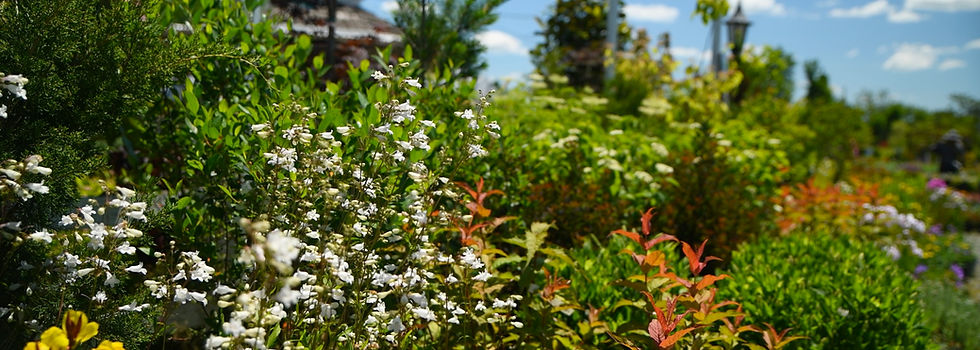
So there you have it–if you want to plant for pollinators, plant in layers, and whenever possible, plant native!

If you’re feeling daunted, we’ll do the work for you! Just fill out a landscape inquiry form on our website to get your project started today.

Comments