
Celebrate Memorial Day with Floral Displays!!
Memorial Day Weekend is the perfect time to get outside and appreciate Spring's finest blooms. Join us for another field trip around New Jersey and learn how to bring nature into your garden!
Key Points:
Late May is when an endless array of Roses finally start to open up
Baptesia can improve your soil quality, is drought resistant and medicinal!
Ragged Robin is a standout wildflower, perfect for sunny wet spots
Deer won't touch Amsonia's blue blooms, and its Fall foliage will amaze you
Columbine is a shade-dwelling native wildflower that hummingbirds adore
For a sun-loving, hummingbird-attracting shrub, plant Weigela!
For multiple seasons of fragrant flowers, plant a Bloomerang Lilac!
Calycanthus is so ancient, it came before bees!
Azaleas and Rhododendrons are the shade-loving aristocrats of the Spring garden

Welcome back to Bountiful Gardens! The heat is on, and Summer’s coming up fast! There’s no time to waste, so let’s get back on the road and see what’s blooming for Memorial Day weekend.

Roses - Rosa
One of the surest signs of Summer has to be the opening of the Roses, and sure enough, they’ve just started to bloom! These legendary sun-loving garden classics need no introduction and come in an ever-expanding array of colors and growth habits. We’ll definitely be keeping an eye on these beauties throughout the season, so stay tuned!
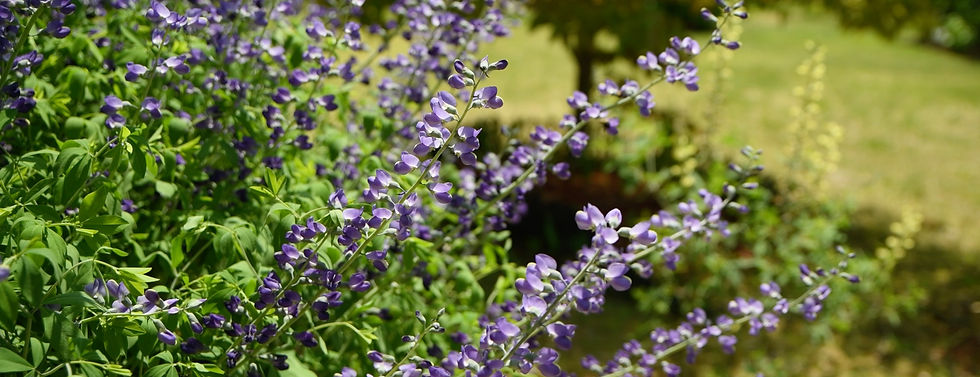
False Indigo - Baptesia
This week we’re seeing our native Baptesia come into bloom. This sun-loving perennial is a member of the pea family, thriving in poor soils while actively improving them, and it’s even highly drought and deer resistant. Historically, Native Americans have used the pigments from Baptesia flowers as a substitute for Indigo, giving the plant the common name “False Indigo”.

Its roots are also highly medicinal, frequently being used alongside Echinacea to boost immunity and treat respiratory infections, sores and more.

Ragged Robin - Lychnis flos-cuculi
Looking to add vibrant wet meadow vibes to that sunny, boggy spot in the garden? Ragged Robin has you covered with its perky pink, deer-resistant blooms that reach up to 3 feet in height, standing out in the late Spring landscape.

Bluestar -Amsonia
While there are plenty of “stars” in the late Spring garden, few stand out like Bluestar, or Amsonia. Once established, this long-lived native perennial is able to thrive in both wet and droughty conditions in full sun and part shade. After these blue flowers fall in Summer, the plant provides flowing foliage in the garden before putting on their final show of the year—a brilliant display of red, yellow and orange Fall color.

Thanks to their latex sap, they’re also near-impervious to deer, and that same sap has been used by Native Americans to help keep wounds sealed.

Columbine - Aquilegia
For some of the most stunning, hummingbird-beloved blooms of the season, make sure to add Columbine to your garden palette. This native perennial does best in rich, well draining soils in partial shade, though it can tolerate full sun when given enough moisture. Red Columbine is our locally-native species, though you can also find Blue Columbine and some fancy cultivars in the landscape.

Amazingly, science has now proven that Columbine’s original native range is in Asia, with evidence of the plant “migrating” across the Bering land bridge into North America during the last Ice Age, making Columbine as native to North America as the First People.

Weigela
If you want to call hummingbirds in from far and wide, you’ll want Weigela in the landscape. These hardy, deer-resistant deciduous shrubs feature the vibrant, tubular flowers that hummingbirds hunt for, and can reach up to ten feet tall and wide in time, depending on the variety.

Weigela comes in multiple flower and foliage colors, and prefers full sun and rich, moist, well-draining soil. Its blooms are often used to symbolize deep, everlasting love, so if you’re trying to make a statement to someone, here’s your chance!

Bloomerang Lilac
Want the unmistakably sweet scent of Lilacs all the way through Fall? Plant a Bloomerang! By flowering on both new AND old growth, these incredible Lilac cultivars defy the laws of traditional “Old Fashioned” varieties, which only bloom for about two weeks in early Spring.

You’ll want to plant in full sun, and make sure to give your Bloomerang a deep soak during Summer dry spells so it can keep on blooming through the first frost.

Sweetshrub - Calycanthus
With some of the most unique flowers in the native landscape, Calycanthus is a showstopper. Thriving in full sun to part shade in moist, rich, well-draining soils, this shrub is a living relic from a time before bees existed, with its blossoms still primarily being pollinated by sap beetles.

Its fragrant flowers, leaves and bark have been used in Appalachian history as both a perfume and as a cinnamon substitute for thousands of years, leading to one of its common names, “Carolina Allspice”.

Azaleas & Rhododendrons
Closing out this week’s field trip, we have a classic garden combo: Rhododendrons and Azaleas. Azaleas started blooming all the way back in April, and now that they’re starting to pass their peak, Rhododendrons are opening up to steal the show.

Both shrubs require partial shade and do best in moist, acidic well-draining soil, and it’s best to plant them “up” a bit to keep their shallow roots out of any standing water.

Rhododendrons are typically evergreen, while most Azaleas are deciduous, but as is common in nature, there are always exceptions. No matter what you choose, you’ll enjoy gorgeous blooms while butterflies and bumblebees sip on nectar.

Happy Memorial Day, and Happy planting!

Comments