Bountiful Gardens
Virginia Sweetspire
Itea virginica
The Autumn Ember: Itea virginica (Virginia Sweetspire)
The Snapshot
Common Name: Virginia Sweetspire
Scientific Name: Itea virginica
Origin: Native to the Eastern US (Perfectly at home in NJ wetlands)
Hardiness: Zones 5 – 9
The "Vibe": Graceful, arching, and vibrant; the "uncomplicated" native with a hidden fire.
Why It’s a Jersey Garden "MVP"
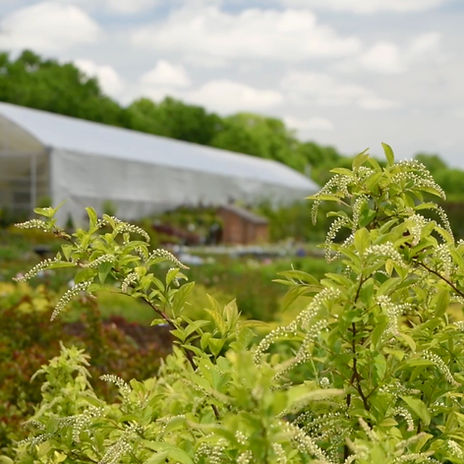
The "Fireworks" Bloom: In June, the plant is covered in 4-to-6-inch long, drooping white flower spikes (racemes) that look like exploding fireworks or "cat tails." They have a light, sweet fragrance that drifts on the summer air.
The Wet-Feet Warrior: This is one of the few shrubs that can handle "wet feet." If you have a spot where water pools after a Jersey rainstorm, Itea will be much happier there than almost any other shrub.
Legendary Fall Color: While most shrubs turn yellow or brown, Itea turns a deep, glowing garnet-red to sunset-orange. The best part? The leaves stay on the plant long after the Maples have gone bare, extending your autumn display into late November.
Shade Tolerance: It is a rare "double threat"—it produces those incredible flowers and fall colors even in the shade.
Stories from the Garden
"I have a drainage ditch along the edge of my property in Basking Ridge that was always an eyesore. I planted a mass of 'Little Henry' Sweetspire five years ago. Now, it’s a beautiful, lush hedge that blooms like crazy every June. But the real show is November—the red color is so bright it looks like the ditch is on fire! It’s survived floods and droughts without me ever lifting a finger."
— Claire S., Zone 6 Gardener (Basking Ridge, NJ)
Designer Tips: Where to Plant
The "Rain Garden" Anchor: This is a top-tier choice for NJ Rain Gardens. It filters runoff while looking like a high-end landscape specimen.
The Front-of-Border Glow: Plant a row of 'Little Henry' in front of taller evergreens like Skip Laurels. The red fall color will pop against the dark green backdrop.
The "Erosion" Solution: Because it spreads slowly by roots, it is excellent for holding soil in place on a shady bank or stream edge.
Designer Pro-Tip: Don't Prune Too Late! Itea blooms on old wood (growth from last year). If you prune it in the late winter, you’ll cut off all your summer "fireworks." Only prune right after the flowers fade in early July.
Ecosystem & Wildlife Impact
Pollinator Fuel: The long flower spikes are a favorite for Nectar-seeking Bees and Butterflies.
Nesting Cover: The dense, arching stems provide excellent low-to-the-ground cover for Song Sparrows and other ground-nesting birds.
Deer Resistance: Moderate. While not "deer-proof," they are generally low on the menu compared to Azaleas or Hosta.