Bountiful Gardens
Virginia Rose
Rosa virginiana
The Salt-Toughened Native: Rosa virginiana (Virginia Rose)
The Snapshot
Common Name: Virginia Rose, Common Wild Rose
Scientific Name: Rosa virginiana
Origin: Native to Eastern North America (thrives in NJ’s coastal and inland regions)
Hardiness: Zones 3 – 8
The "Vibe": Rustic, cheerful, and resilient; the "heart and soul" of a native pollinator garden.
Why It’s a Jersey Shore (and Inland) Superstar
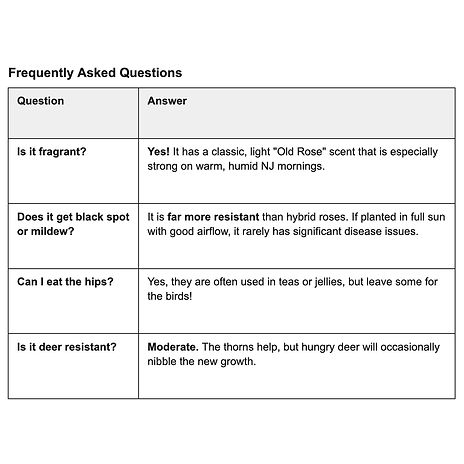
The "Single" Bloom: Unlike the multi-layered "cabbage" look of modern roses, the Virginia Rose features simple, five-petaled pink flowers with a bright yellow "boss" of stamens in the center. It’s the classic, honest look of a wild meadow.
Salt & Sand Warrior: This is one of the best roses for the Jersey Shore. It handles salt spray, sandy soil, and intense sun better than almost any other shrub.
Glossy "Candy" Foliage: The leaves are exceptionally glossy and deep green. In the fall, they turn spectacular shades of amber, orange, and crimson-red.
The "Winter Jewel" Hips: After the flowers fade, the plant produces large, bright red "hips" (fruit) that persist all winter long, looking like ornaments against the snow.
Red Stems: Even in the dead of winter, the young canes are a vibrant reddish-brown, providing color when everything else is grey.
Stories from the Garden
"I live two blocks from the beach in Belmar, and I could never get roses to grow until I tried the Virginia Rose. It loves the salt air! In June, the whole hedge is covered in pink flowers that smell like a real meadow. In the winter, the bright red hips stay on the branches and the birds love them. It’s the most 'zero-effort' plant in my yard."
— Donna M., Zone 7 Gardener (Belmar, NJ)
Designer Tips: Where to Plant
The "Living Barrier": Because it has thorns and grows into a dense thicket, it makes an excellent "friendly fence" to deter unwanted foot traffic or neighborhood pets.
The Pollinator Powerhouse: Plant it in a "Wildflower Corner" alongside Purple Coneflower and Little Bluestem. It provides the structure that a meadow needs.
The Coastal Anchor: Use it to stabilize dunes or sandy slopes. Its deep, suckering root system is incredible at holding soil in place against the wind.
Designer Pro-Tip: The Virginia Rose spreads via underground "suckers." If you want it to stay in one neat little spot, it might not be the plant for you. But if you want a plant that will fill in a gap, cover a slope, or create a lush, wild hedge, it is the perfect choice. To keep it looking its best, just prune out the oldest canes every 3 years to make room for fresh, red-stemmed growth.
Ecosystem & Wildlife Impact
The "Pollinator Pub": Because the flowers are "single" (not doubled), the pollen is easily accessible to Bumblebees, Honeybees, and Specialist Bees.
Vitamin C Pantry: The red hips are packed with Vitamin C and are a vital winter food source for Northern Cardinals, Cedar Waxwings, and Mockingbirds.
The Azure Host: It is a host plant for the beautiful Grey Hairstreak butterfly.