Encore Azalea
Rhododendron
The Crown Jewels: A Guide to Rhododendron
The Snapshot
Common Names: Rhododendron, Azalea
Scientific Name: Rhododendron spp.
Hardiness: Zones 4 – 9 (Varies wildly by species)
The "Vibe": Lush, majestic, and vibrant; the "living walls" of the spring garden.
The "Big Three" for New Jersey Gardens
1. The "Ironclad" Hybrids (Large Evergreen)
These are the massive, leathery-leaved giants seen in older NJ neighborhoods. They are called "Ironclads" because they can survive a brutal Jersey winter without breaking a sweat.
Top Picks: 'PJM' (the first to bloom, bright lavender), 'Nova Zembla' (intense red), and 'Roseum Elegans' (classic rosy-lavender).
Vibe: Massive, structural, and dependable.
2. The Native Deciduous Azaleas
Unlike their evergreen cousins, these drop their leaves in winter, but they offer something the giants don't: Incredible Fragrance.
Top Picks: Pinxterbloom Azalea (R. periclymenoides) and Swamp Azalea (R. viscosum).
Vibe: Wild, elegant, and perfume-scented.
3. The Reblooming Azaleas (Encore Series)
A game-changer for modern gardens. These bloom in the spring, take a break, and then bloom again in the fall.
Vibe: High-value, modern, and persistent.
Designer Tips: Where to Plant
The North-Side Foundation: This is the perfect plant for the north side of a house where other flowering shrubs fail due to lack of direct sun.
The Woodland Understory: Group them under high-canopy trees like Oaks or Pines. The pine needles provide the natural acidity the soil needs.
The Evergreen Screen: Use the "Ironclad" varieties to create a year-round privacy fence that explodes into color every May.
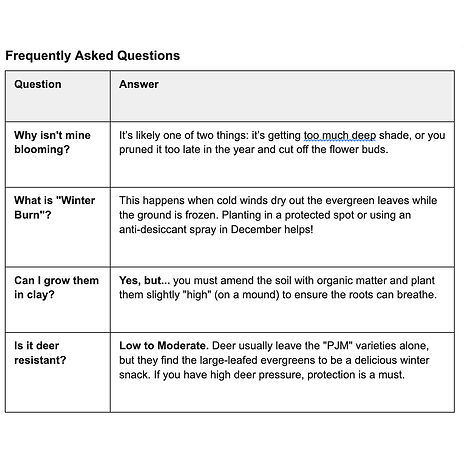
Designer Pro-Tip: If your Rhododendron leaves start to look "droopy" or curled like a cigar in the winter, don't panic! This is a natural defense mechanism called thermotropism. The plant curls its leaves to protect itself from drying winter winds. They will uncurl as soon as the temperature rises.
Ecosystem & Wildlife Impact
Early Nectar: The large, bell-shaped flowers are a primary food source for Bumblebees and Hummingbirds.
Specialist Bees: Some native bees specifically target Rhododendrons for their unique pollen.
Host Plant: They provide habitat for the prominent moth and other native lepidoptera.