
The Electric Blue Garden Savior 🦋 Plant Caryopteris (Bluebeard)! 📺 WATCH the Video!
It’s late summer. Your hydrangeas are fading, your hostas are burning, and your garden is looking… well, a little sad. But what if I told you there’s an absolute showstopper that waits for this exact moment to explode into a cloud of electric, true-blue color?

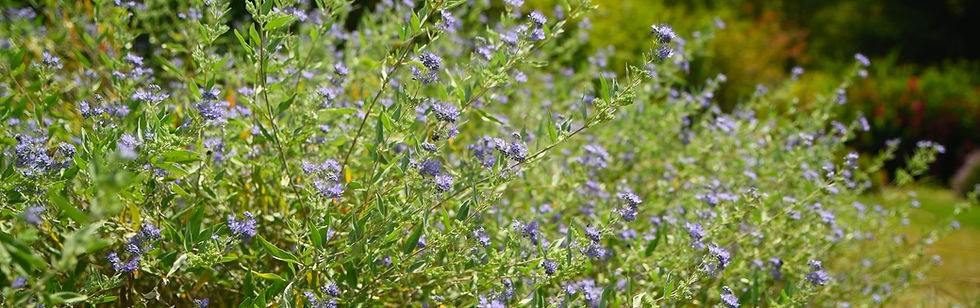
Meet Caryopteris—also known as Bluebeard. This plant doesn’t just survive the late-summer heat; it thrives in it. Today, we’re diving into the dramatic history, the secret origin story, and the exact maintenance hacks you need to make this pollinator magnet the star of your yard!

The History of Caryopteris
Before it became a modern garden staple, Caryopteris had to make an epic journey. The wild ancestors of this plant are native to the dry, rocky hillsides of East Asia—specifically China, Japan, and Mongolia.

For centuries, these wild shrubs grew unnoticed by Western gardeners. But everything changed in the 1930s in a quiet town called Clandon, near Surrey, England.
A gardener named Arthur Simmonds was experimenting in his yard. He had two different species of Caryopteris planted near each other: Caryopteris incana and Caryopteris mongholica.

Nature took its course, bees did their job, and a total accident occurred: a volunteer seedling popped up! When it bloomed, it wasn't just a basic wild shrub. It was tougher, more compact, and packed a more intense blue punch than either of its parents!

This hybrid became known as Caryopteris x clandonensis, and almost every single bluebeard variety you find at the garden center today can be traced right back to that lucky mistake in England!

The Cultivars
You might think all bluebeards are created equal, but growers have bred some absolutely insane varieties. Let's do a rapid-fire breakdown so you can find the perfect match for your yard!
First up is Dark Knight. This classic reaches about three feet tall and wide, and is known for its stunning rounded habit with deep, ink-purple-blue flowers that look almost velvety against its silver-green leaves.

Next is Grand Bleu, which stays slightly smaller and tighter at 18 to 24 inches tall and wide. It features gorgeous glossy green foliage and large, tightly packed deep blue flower clusters.

Then, there’s Blue Empire, a true powerhouse that produces individual violet-blue flowers that are significantly larger than other cultivars, held up by striking silvery-grey leaves.

Sapphire Surf was bred specifically as a low, mounding and spreading option. It erupts from top to bottom in a solid wave of rich, sapphire-blue blooms, making it an unparalleled border accent.

For a change of foliage, go with Goldcrest! This variety can reach three feet tall and wide, and boasts bright, yellow-green leaves perfectly complimented by periwinkle-blue flower clusters.

Finally, there’s Pavilion Pink, which stays compact at 18 inches tall and wide, and breaks the rules of the “Bluebeard” name with its soft, baby-pink flower whorls above dark green leaves.

Caryopteris Superpowers
No matter which variety you choose, Caryopteris brings three superpower traits to your landscape. First is Deer and Rabbit Resistance: Thanks to the aromatic, minty oils in their leaves, pests take one sniff and keep on walking!

Next is Extreme Drought Tolerance: Once established, these plants laugh at hot, dry summers.

And third, this plant is a Late-Season Lifeline. In September, when honeybees and butterflies are desperately building up winter reserves, Caryopteris acts like an all-you-can-eat neon buffet. Your garden will literally hum with life!

Caryopteris Maintenance Secrets!
Now, if you want your Caryopteris to look like a dense, rounded explosion of flowers instead of a floppy mess, you have to master the merciless prune. Caryopteris is a woody perennial, meaning it blooms on new growth. If you leave it alone, it gets leggy and falls apart.

Every year in late winter or early spring, wait until you see the very first green buds near the bottom of the plant. Then, take your pruners and cut the entire plant back—down to about 12 to 18 inches from the ground, right above a healthy set of buds.

It feels terrifying, and looks like you've ruined it. But trust me: this unlocks massive branch division, giving you a perfectly round, tight shrub packed with three times as many flowers by August!

Give it full sun, make sure its soil drains well so it doesn't get wet feet, and enjoy the best late-summer show on the block!




Comments