Bountiful Gardens
Various
Ornamental Cabbages and Kale
The Autumn Icons: Ornamental Cabbage & Kale
The most fascinating thing about these plants is that they are "thermocolor" performers. While they start out mostly green, their vibrant centers—in shades of creamy white, rose, and deep violet—only reach their peak intensity once the temperature drops consistently below 10°C (50°F).
Role in the Garden
Design Category: Filler. With their wide, mounded shape, they do a magnificent job of filling out a container or anchoring a flower bed.
Best Placement: They are the stars of Fall window boxes, patio pots, and the front-of-the-border in flower beds. They also look fantastic when planted in mass groupings for a "carpet" of color.
Bloom Season: Fall through early Winter. They don't have traditional "flowers"; their ornamental value comes entirely from their stunning foliage.
Care & Maintenance
Plant Deep: As they grow, they can develop a bit of a "neck" or stem. When planting, bury them right up to their bottom leaves to keep them looking tidy and stable.
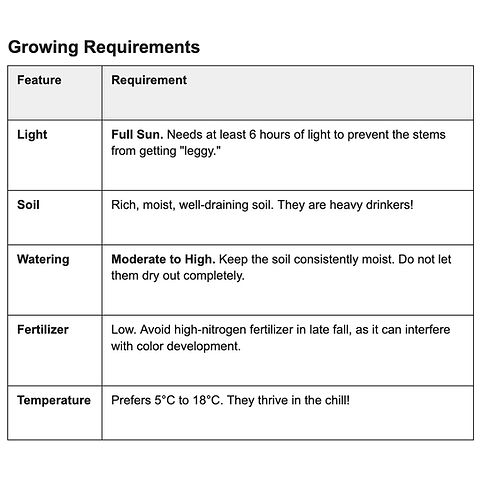
The "Cooler the Better": Don't be afraid of a frost! These plants can survive temperatures as low as -15°C (5°F). A hard freeze will eventually end their season, but they are often the last plants standing in December.
Minimal Grooming: Simply pull off any yellowing bottom leaves to keep the plant looking fresh. No deadheading is required!
Pollinator Note: Since they are foliage plants and don't usually bloom until their second year (and we grow them as annuals), they aren't a primary source of nectar, but they provide excellent late-season cover for beneficial insects.
The Essential Tip for Beginners
The "Center-Watering" Rule: When watering your Cabbage or Kale, try to water the base of the plant rather than pouring water directly into the center of the head. Water trapped in the tight center of the leaves can lead to rot or attract pests. Keep the "heart" dry and the roots wet!