Million Bells
Calibrachoa
The Flower Factory: Calibrachoa
The name "Million Bells" is no exaggeration. A single plant can produce hundreds of small, trumpet-shaped flowers at once, creating a solid blanket of color. Unlike Petunias, Calibrachoas have a slightly woody stem, which makes them much more resistant to "flopping" or looking leggy mid-season.
Role in the Garden
Design Category: Spiller. While they start as a mounded "Filler," they quickly begin to trail, making them the ultimate choice for cascading over edges.
Best Placement: They are the undisputed champions of hanging baskets, window boxes, and elevated planters. They can be used in flower beds, but they truly shine when they have room to "fall."
Bloom Season: Late Spring through Fall. They are one of the longest-blooming annuals available, often flowering right up until a hard freeze.
Care & Maintenance
No Deadheading (The Big Perk): Calibrachoas are self-cleaning. The old flowers simply shrivel and disappear, and the plant grows right over them. No sticky fingers or tedious pinching required!
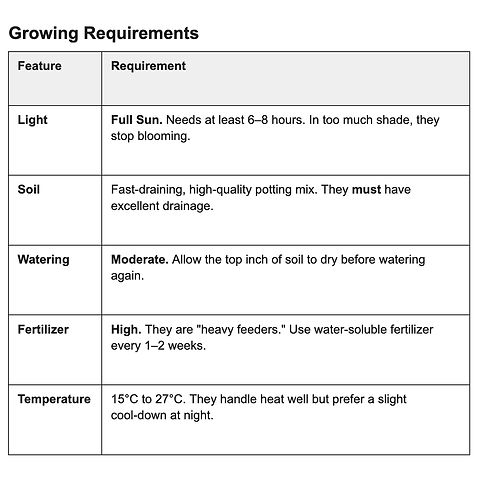
The "Iron" Deficiency Check: If your Million Bells start to turn a pale, sickly yellow (chlorosis), they likely need a bit of iron. Use a fertilizer that includes chelated iron to bring back that deep green luster.
The "Wilt" Warning: If a Calibrachoa wilts, it is often a sign of root rot from overwatering or extreme thirst. Check the soil; if it's wet and the plant is wilting, stop watering immediately!
Pollinator Appeal: Their tubular flowers are a "magnet" for hummingbirds and butterfly species with long tongues.
The Essential Tip for Beginners
The "Mid-Season Reset": Around late July or August, your Million Bells might start to look a bit "tired" or thin at the top. Don't be afraid to give the whole plant a light trim, snipping off about 2 inches all the way around. Follow this with a good dose of liquid fertilizer, and within 10 days, you'll have a brand-new, bushy plant ready for a spectacular fall show!