
The Case for Cultivars and Hybrids (Rudbeckia)
Have you been wondering what all the fuss is about when it comes to hybrid plants and cultivars? Let us show you why these specially-bred varieties may just be the perfect choice for your garden, focusing on Rudbeckia cultivars!
Key Points:
Hybrid plants are bred for specific characteristics like more blooms, smaller or larger size, disease resistance and environmental adaptability.
Hybridization involves cross-breeding different species, normally from the same genus.
It can take botanists years to succeed with a new cultivar.
Male flower parts are removed from the "mother" flower, then the botanist pollinates it with pollen from the "father" plant.
From thousands of seeds, only a few may present the desired hybrid characteristics.
Hybrids are bred to be beautiful, resilient, reliable, disease-resistant and long-lasting.
Hybrid plants are often sterile, so seeds will not germinate.
Cultivars are "problem solver plants"!

Did you know that in addition to all of our incredible Native Rudbeckias, we also have a great selection of specially-bred hybrid varieties?

You might be thinking, “with all those natives, why would I ever want a hybrid?”

Well, hybrid plants can be a great option for small gardens, especially if you're looking for high yields and disease resistance. They often offer better uniformity and can be more predictable in terms of size and growth rate, which is beneficial when space is limited.

A lot of people see these beautiful cultivars in the garden center and assume they just... appeared. They don’t see the years of matchmaking that happen.

I use the word "Matchmaking" because it all starts with a goal.

Let's say a botanist wants a Rudbeckia that's more compact for smaller city gardens or containers.

They start with a parent plant known for a shorter stature, like this one’s ancestor, a type of Rudbeckia fulgida. But maybe it doesn’t have the most impressive blooms. So, they find another parent—a different species or cultivar—that has huge, show-stopping flowers.

Then comes the delicate part.

To make sure they control the parentage, they have to prevent the flower from pollinating itself. They go in with tweezers and perform what’s called emasculation—carefully removing the male parts, the anthers, before they can produce pollen.

Then they take a tiny brush, collect pollen from our chosen "father" plant, and gently brush it onto the stigma—the female part—of the "mother" plant.
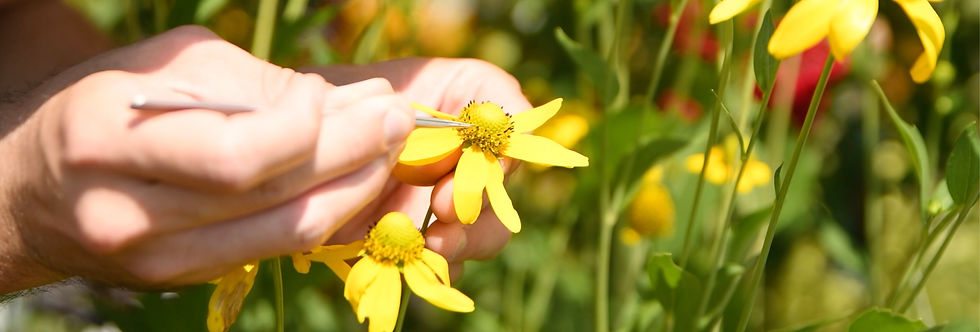
Basically they’re playing the part of a pollinator, but with a very specific purpose. After pollination, they wait, protect the flower, let the seeds develop, and then harvest them. But that’s just the beginning!

They might grow thousands of seeds from that single cross. And from those thousands, they watch and wait. They might only find one or two plants that have the perfect combination they were looking for: the compact size, the big flowers, strong stems, and good health.

And that’s the real reason these hybrids are so fantastic for the home gardener. They've done the trial and error for you. You aren’t just buying a plant; you’re buying years of selection.

Think about it. The classic ‘Goldsturm’ is beautiful, but it can be susceptible to Septoria leaf spot, especially in humid summers like we get here in New Jersey. The leaves may get black spots and look pretty sad by late summer.
But ‘American Gold Rush’? It was specifically selected for its clean foliage. It stays beautiful from summer all the way through fall. It’s a problem-solver plant.

And they can breed for aesthetics, too! Look at ‘Prairie Sun.’
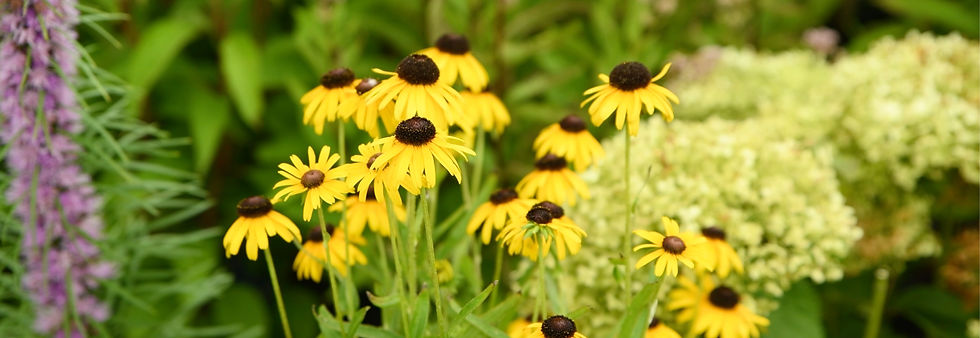
That’s a cultivar of Rudbeckia hirta. It brings a completely different look to the garden. It’s still easy to grow, but it’s a showpiece.

And that’s the ultimate goal. To provide the home gardener with plants that are not only beautiful but also resilient, reliable and long-lasting.

When you plant one of these modern hybrids, you’re planting confidence. You’re getting a plant that was designed to thrive, to fight off disease, and to bring you joy with minimal fuss. It’s a partnership between nature and science, created to make your garden a success.

The next time you look at a hybrid variety, keep in mind that for the botanist, It’s not about just making a pretty flower. It's about solving problems for the gardener at home, for you!

It's also worth noting that hybrid seeds aren’t typically open-pollinated, meaning you can't save seeds from your harvest and expect them to produce plants with the same traits as the parent plant.

If seed saving is important to you, then open-pollinated or heirloom varieties are your best bet.

Now that you know a bit more about these gorgeous hybrid Rudbeckias, come on out and find the perfect one for your garden today!

Looking for something different? We have hybrids of Echinacea, Agastache, Coreopsis, Anemone, Lavender and so many more, all bred for their own characteristics.

Watch all this in video form below!

Comments