
Spring Color in Fall!? - You NEED Anemones!
Looking to add late Summer and Fall color to your Cottage Garden? Enjoy delicate, pollen-packed blooms with Anemone! Let us show you why your garden would be incomplete without this gorgeous perennial plant.
Key Points:
Anemone flowers come in light pinks, whites, purples and reds.
Anemone loves afternoon shade and rich, well-draining soil.
You can expect your Anemone to grow between 12-36" tall.
With their long stems, Anemones make great cut flowers.
Anemone flowers don't have nectar, but are packed with pollen.
Seedheads are a great foodsource for birds in late Fall & Winter.

Generally in Fall, the color palette tends to lean toward oranges and yellows, but if you’re looking to keep things on the softer side with pale pinks, whites and purples, Anemone is a great plant for you.

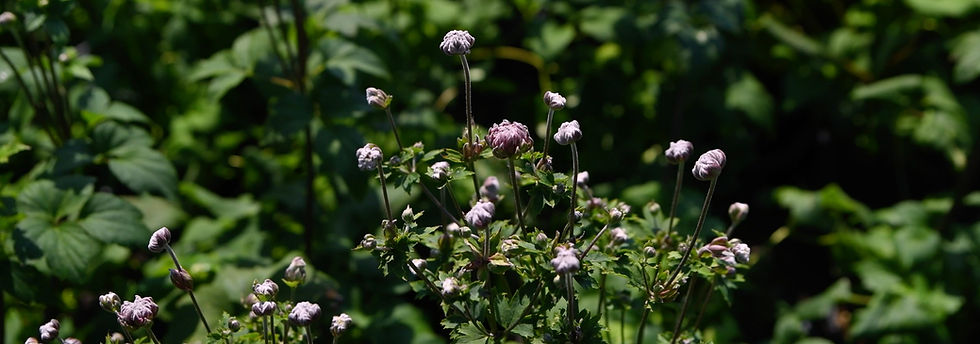
One of the things that we particularly like about Anemone, or Windflower, aside from their amazing flowers, is actually the leaves! Because of their impressive size, they’re very different from many other perennial leaves. We think they look a little bit like a cross between a Hellebore and a Maple leaf.

Anemones can do well in full sun, but they do appreciate a little bit of afternoon shade. So if you’re looking to bring a little bit of that Spring palette into your Fall garden, Anemone may just be your perfect plant!

Anemones are a staple for any cottage garden due to their beautiful, late season blooms, as well as the amount of interest they can provide. You can find them in whites, pinks, purples, magentas and even reds!

Anemones prefer full to partial sun and do well in moist, well-draining soil. They’re also beloved by bees and other pollinators! They get about 12-36 inches tall and wide depending on the variety you choose.

Although these flowers don’t contain any nectar, they’re absolutely packed with pollen, making them a phenomenal late-season food source for our buzzing buddies. Additionally, you can leave the seed heads standing into the Winter to give birds a much-needed snack when food is scarce.

Anemones make fantastic additions to cut flower arrangements as well, with their showy blooms and long stems.

Although they have been used medicinally as a sedative and an anti-anxiety tincture, they’re also slightly toxic to humans, so we suggest just enjoying them for the color blooms and wildlife benefits they offer.

Whether you use them as a cut flower or let them stand for the birds and the bees, Anemones make a beautiful addition to any garden.


Comments